
Hey there! As a supplier of contrast sensors, I often get asked about light intensity adjustment in these nifty devices. So, let's dive right in and break down what light intensity adjustment of a contrast sensor is all about.
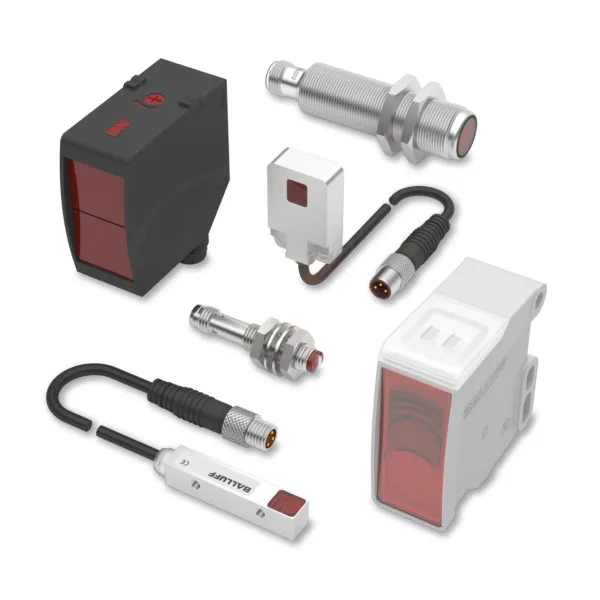
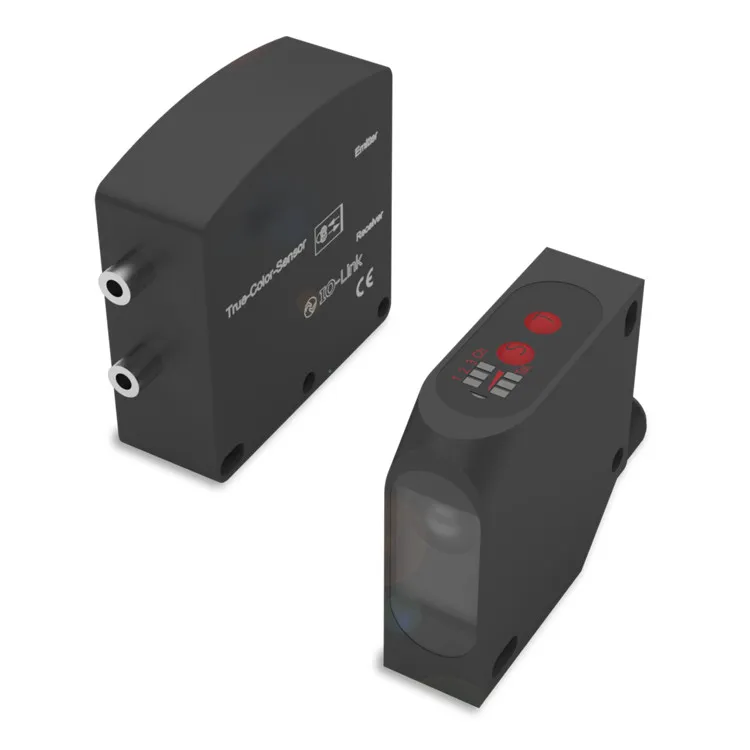
First off, what's a contrast sensor? Well, a Contrast Sensor is a type of optoelectronic sensor. It's designed to detect differences in contrast between two adjacent areas. These sensors are super useful in a bunch of industries. For example, in the packaging industry, they can be used to detect the presence of labels on products. In the printing industry, they can help ensure that the colors and patterns on printed materials are consistent.
Now, let's talk about light intensity. Light intensity is basically how bright the light emitted by the sensor is. When a contrast sensor is working, it emits a beam of light onto the target surface. The amount of light reflected back to the sensor is then measured. The difference in the amount of reflected light between two areas with different contrasts is what the sensor uses to make a detection.
So, why is light intensity adjustment so important? Well, different applications require different levels of light intensity. For instance, if you're detecting a very small contrast difference, you might need a higher light intensity to get an accurate reading. On the other hand, if the contrast difference is quite large, a lower light intensity might be sufficient. Also, the surface properties of the target can affect the optimal light intensity. A shiny surface might reflect more light, so you might need to reduce the light intensity to avoid over - saturation. A matte surface, however, might absorb more light, and you may need to increase the intensity.
How does light intensity adjustment work? Most modern contrast sensors come with built - in adjustment mechanisms. There are usually two main ways to adjust the light intensity: manually and automatically.
Manual adjustment is pretty straightforward. You can use the controls on the sensor itself or a connected control panel. These controls typically allow you to increase or decrease the light intensity in discrete steps. It's a great option when you have a good understanding of the application and know exactly what light intensity you need. For example, if you're working on a long - term project where the target and the contrast requirements don't change much, you can set the light intensity once and leave it.
Automatic adjustment, on the other hand, is a real time - saver. The sensor is equipped with algorithms that can analyze the reflected light and adjust the light intensity accordingly. This is especially useful in applications where the target or the environmental conditions change frequently. For example, in a production line where different products with varying surface properties pass by the sensor, the automatic adjustment feature can ensure that the sensor always gets an accurate reading.
Let's compare contrast sensors with other types of optoelectronic sensors like Counter Sensor and Colour Sensor. Counter sensors are mainly used for counting objects passing through a certain point. They don't really focus on contrast differences as much as contrast sensors do. While light intensity is also important for counter sensors to ensure accurate object detection, the adjustment is usually less complex because they are more concerned with the presence or absence of an object rather than the contrast on its surface.
Colour sensors, on the other hand, are designed to detect specific colors. They need to be calibrated to accurately distinguish between different colors. Light intensity adjustment in color sensors is crucial because different colors absorb and reflect light differently. A wrong light intensity can lead to inaccurate color detection. However, the focus of color sensors is on color discrimination, while contrast sensors are more about detecting differences in brightness or darkness between two areas.
Now, let's talk about some practical tips for light intensity adjustment. When you're setting up a contrast sensor for the first time, it's a good idea to start with a medium light intensity. Then, you can gradually increase or decrease it while observing the sensor's performance. Make sure to test the sensor with different samples that represent the full range of contrast differences you expect in the actual application.
Also, keep an eye on the environmental conditions. Factors like ambient light can affect the sensor's performance. If there's a lot of ambient light, you might need to increase the sensor's light intensity to overcome it. You can also use shielding or filters to reduce the impact of ambient light.
Another important thing is to regularly maintain and calibrate the sensor. Over time, the light source in the sensor may degrade, which can affect the light intensity. By performing regular maintenance, you can ensure that the sensor continues to work accurately.
If you're in the market for a contrast sensor, or you're looking to upgrade your existing one, we've got you covered. Our contrast sensors are of the highest quality, with advanced light intensity adjustment features. Whether you need manual or automatic adjustment, we can provide a solution that fits your specific needs.
We understand that every application is unique, and that's why we offer personalized support. Our team of experts can help you choose the right sensor and guide you through the light intensity adjustment process. If you're interested in learning more or starting a procurement discussion, don't hesitate to reach out. We're here to make sure you get the best sensor for your project.
In conclusion, light intensity adjustment is a crucial aspect of contrast sensor operation. It allows the sensor to adapt to different applications and environmental conditions, ensuring accurate and reliable detection. Whether you're in the packaging, printing, or any other industry that requires contrast detection, having a well - adjusted contrast sensor can make a big difference in your production efficiency and quality control.
References
- Optoelectronic Sensor Handbook
- Industrial Sensor Application Guide