
As a Siemens PLC supplier, I've witnessed firsthand the critical role that the Central Processing Unit (CPU) plays in these remarkable automation systems. In this blog post, I'll delve into the functions, significance, and impact of the CPU in Siemens PLCs, providing insights that will help you understand why it's the heart of these powerful control devices.
Understanding the Basics of a PLC CPU
A Programmable Logic Controller (PLC) is an industrial digital computer that has been ruggedized and adapted for the control of manufacturing processes, such as assembly lines, robotic devices, or any activity that requires high reliability, ease of programming, and process fault diagnosis. The CPU is the core component of a PLC, responsible for executing the control program, managing input and output operations, and communicating with other devices in the system.
In Siemens PLCs, the CPU acts as the brain that processes the logic and arithmetic operations defined in the control program. It continuously scans the inputs, evaluates the program logic, and updates the outputs accordingly. This cyclic process, known as the scan cycle, ensures that the PLC responds to changes in the input signals in a timely and reliable manner.
Key Functions of the CPU in Siemens PLCs
Program Execution
The primary function of the CPU is to execute the control program stored in its memory. The program consists of a series of instructions that define the logic and operations required to control the industrial process. The CPU reads these instructions one by one, performs the necessary calculations and comparisons, and makes decisions based on the results.
For example, in a manufacturing plant, the PLC program might be designed to control the operation of a conveyor belt. The CPU would monitor the input signals from sensors that detect the presence of objects on the belt, and based on the program logic, it would control the speed and direction of the belt, as well as activate other devices such as sorting mechanisms or robotic arms.
Input/Output Management
The CPU is responsible for managing the communication between the PLC and the external devices, such as sensors and actuators. It reads the input signals from the sensors, which provide information about the current state of the process, and writes the output signals to the actuators, which control the physical devices in the system.
Siemens PLCs support a wide range of input and output modules, including digital and analog modules. The CPU communicates with these modules through a dedicated bus system, ensuring fast and reliable data transfer. This allows the PLC to interface with a variety of industrial devices and sensors, making it a versatile solution for different applications.
Communication
In addition to managing the input and output operations, the CPU also enables communication between the PLC and other devices in the industrial network. Siemens PLCs support various communication protocols, such as Profibus, Profinet, and Ethernet, which allow them to communicate with other PLCs, human-machine interfaces (HMIs), and supervisory control and data acquisition (SCADA) systems.
The CPU acts as a gateway, sending and receiving data between the PLC and the other devices in the network. This enables real-time monitoring and control of the industrial process, as well as the exchange of information for diagnostic and maintenance purposes.
Different CPU Models in Siemens PLCs
Siemens offers a wide range of CPU models for its PLCs, each designed to meet the specific requirements of different applications. Some of the popular models include the Siemens PLC S7 200, Siemens PLC S7 1200, and Siemens PLC S7 1500.
Siemens PLC S7 200
The S7 200 is a compact and cost-effective PLC that is suitable for small-scale automation applications. It offers a range of CPU models with different memory capacities and processing speeds, allowing users to choose the model that best suits their needs. The S7 200 supports a variety of communication interfaces, including RS485 and Ethernet, making it easy to integrate into existing industrial networks.
Siemens PLC S7 1200
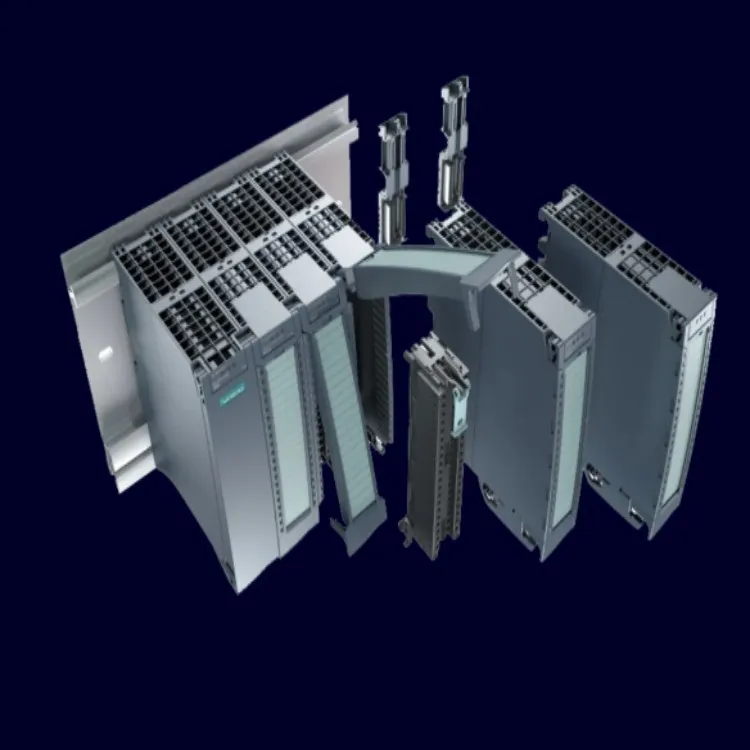
The S7 1200 is a mid-range PLC that offers a higher level of performance and functionality compared to the S7 200. It features a modular design, allowing users to easily expand the system by adding input and output modules. The S7 1200 supports advanced programming languages, such as Structured Text and Function Block Diagram, making it suitable for more complex automation tasks.
Siemens PLC S7 1500
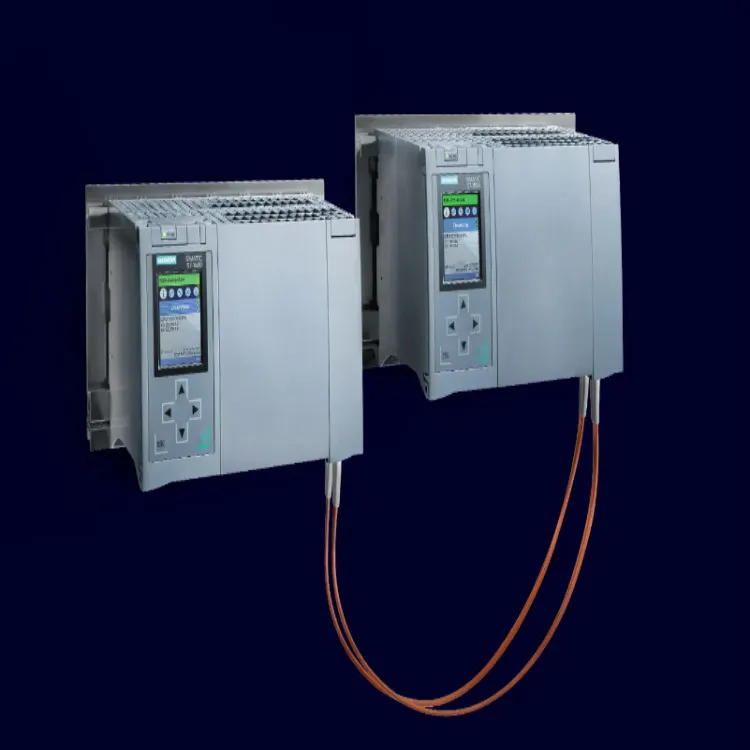
The S7 1500 is a high-performance PLC that is designed for large-scale automation applications. It offers a wide range of CPU models with powerful processing capabilities and high memory capacities. The S7 1500 supports advanced communication protocols, such as Profinet and OPC UA, enabling seamless integration with other industrial devices and systems.
Importance of the CPU in Siemens PLCs
The CPU is the most critical component of a Siemens PLC, and its performance and reliability have a direct impact on the overall performance of the automation system. A high-quality CPU ensures fast and accurate program execution, reliable input/output management, and efficient communication with other devices in the network.
In addition, the CPU plays a crucial role in ensuring the safety and security of the industrial process. Siemens PLCs are designed to meet strict safety standards, and the CPU is responsible for implementing the safety functions defined in the control program. This includes monitoring the input signals for safety-related events, such as emergency stops or overcurrent conditions, and taking appropriate actions to prevent accidents and damage to the equipment.
Conclusion
In conclusion, the CPU is the heart of a Siemens PLC, responsible for executing the control program, managing input and output operations, and communicating with other devices in the system. Its performance and reliability are essential for the efficient and safe operation of the industrial process.
As a Siemens PLC supplier, I understand the importance of choosing the right CPU for your application. Whether you need a compact and cost-effective solution for a small-scale project or a high-performance PLC for a large-scale automation system, I can help you select the CPU that best meets your requirements.
If you're interested in learning more about Siemens PLCs or need assistance with your automation project, please don't hesitate to contact me. I'm here to provide you with the expertise and support you need to make the right decisions and achieve your automation goals.
References
- Siemens Industry Online Support. (n.d.). Programmable Controllers. Retrieved from https://support.industry.siemens.com/cs/document/109745643/programmable-controllers?dti=0&lc=en-WW
- Schneider Electric. (n.d.). What is a PLC? Retrieved from https://www.se.com/us/en/faqs/FA203072/