

As a reliable AC servo motor supplier, I'm often asked about the working principle of these motors. Understanding how an AC servo motor operates is crucial for anyone looking to use them in various applications, from industrial automation to robotics. In this blog post, I'll break down the working principle of an AC servo motor, explain its key components, and highlight its advantages.
Basic Concept of AC Servo Motors
AC servo motors are a type of electric motor that uses alternating current (AC) to generate motion. Unlike traditional motors, servo motors are designed to provide precise control over speed, position, and torque. This makes them ideal for applications where accuracy and repeatability are essential.
The term "servo" comes from the Latin word "servus," which means "slave." In the context of motors, a servo motor is like a "slave" that follows the commands of a control system. It can adjust its speed, position, and torque based on the input it receives, allowing for highly accurate and responsive motion control.
Key Components of an AC Servo Motor
To understand the working principle of an AC servo motor, it's important to familiarize yourself with its key components. These include:
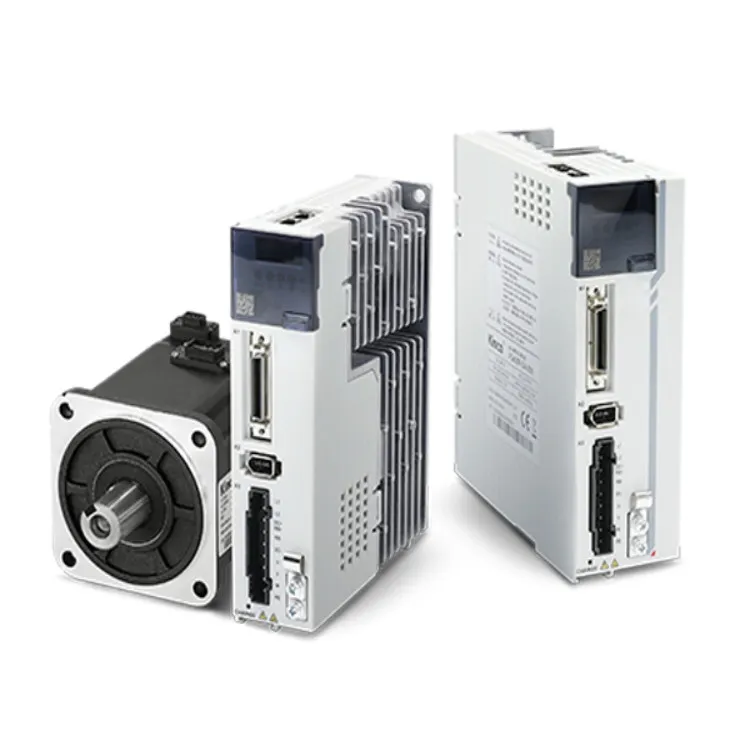
- Stator: The stator is the stationary part of the motor. It consists of a series of coils that are wound around a laminated iron core. When an AC current is applied to these coils, they generate a rotating magnetic field.
- Rotor: The rotor is the rotating part of the motor. It is typically made of a permanent magnet or a ferromagnetic material. The rotating magnetic field generated by the stator interacts with the magnetic field of the rotor, causing the rotor to rotate.
- Encoder: An encoder is a device that provides feedback on the position and speed of the rotor. It is typically mounted on the shaft of the motor and sends signals to the control system. This feedback allows the control system to adjust the motor's output based on the desired position and speed.
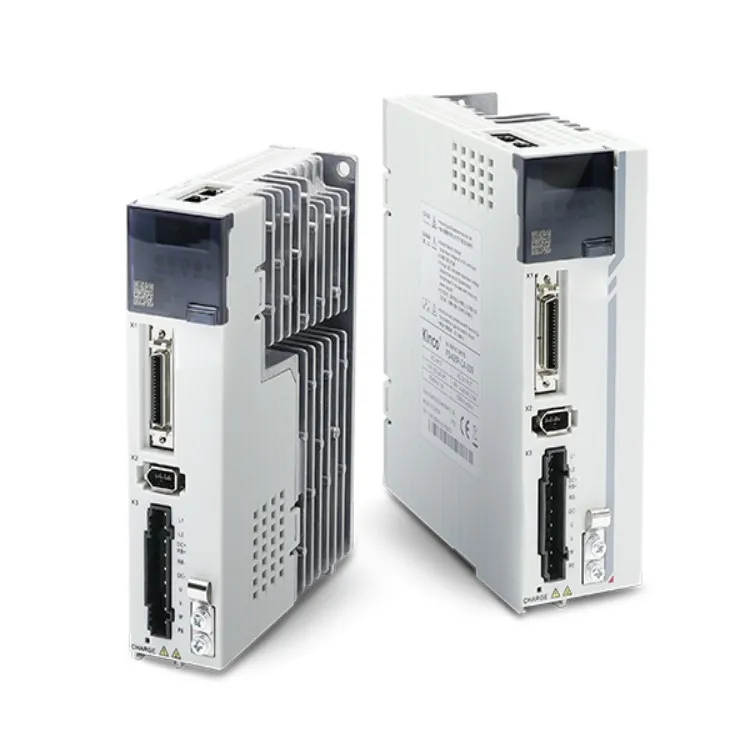
- Control System: The control system is responsible for regulating the operation of the AC servo motor. It receives input from the encoder and compares it to the desired position and speed. Based on this comparison, the control system adjusts the current and voltage applied to the motor to achieve the desired output.
Working Principle of an AC Servo Motor
The working principle of an AC servo motor can be divided into three main stages:
- Generation of a Rotating Magnetic Field: When an AC current is applied to the stator coils, they generate a rotating magnetic field. The speed and direction of this magnetic field are determined by the frequency and phase of the AC current.
- Interaction with the Rotor: The rotating magnetic field generated by the stator interacts with the magnetic field of the rotor. This interaction causes the rotor to rotate in the same direction as the rotating magnetic field.
- Feedback and Control: The encoder provides feedback on the position and speed of the rotor to the control system. The control system compares this feedback to the desired position and speed and adjusts the current and voltage applied to the motor accordingly. This feedback loop ensures that the motor operates at the desired speed and position with high accuracy.
Types of AC Servo Motors
There are two main types of AC servo motors: synchronous and asynchronous.
- Synchronous AC Servo Motors: Synchronous AC servo motors use permanent magnets in the rotor. These motors operate at a fixed speed that is determined by the frequency of the AC current. They are known for their high efficiency, precision, and torque density.
- Asynchronous AC Servo Motors: Asynchronous AC servo motors use induction to generate torque. These motors do not require permanent magnets in the rotor and are typically less expensive than synchronous motors. However, they have lower efficiency and torque density compared to synchronous motors.
Advantages of AC Servo Motors
AC servo motors offer several advantages over other types of motors, including:
- High Precision: AC servo motors can provide precise control over speed, position, and torque. This makes them ideal for applications where accuracy and repeatability are essential, such as robotics and CNC machining.
- High Efficiency: AC servo motors are designed to operate at high efficiency, which can result in significant energy savings over time.
- Fast Response Time: AC servo motors can respond quickly to changes in the control signal, allowing for rapid acceleration and deceleration.
- Low Maintenance: AC servo motors have fewer moving parts compared to other types of motors, which reduces the need for maintenance and increases reliability.
Applications of AC Servo Motors
AC servo motors are used in a wide range of applications, including:
- Industrial Automation: AC servo motors are commonly used in industrial automation systems, such as conveyor belts, robotic arms, and packaging machines. They provide precise control over the movement of these systems, allowing for increased productivity and efficiency.
- Robotics: AC servo motors are essential components in robotic systems. They provide the precise control and high torque required for the movement of robot joints, allowing robots to perform complex tasks with accuracy and precision.
- CNC Machining: AC servo motors are used in CNC machining centers to control the movement of the cutting tool. They provide the high precision and speed required for accurate machining of complex parts.
- Medical Equipment: AC servo motors are used in medical equipment, such as surgical robots and diagnostic imaging systems. They provide the precise control and high reliability required for these critical applications.
Conclusion
In conclusion, the working principle of an AC servo motor is based on the interaction between a rotating magnetic field and a rotor. By using feedback from an encoder and a control system, AC servo motors can provide precise control over speed, position, and torque. This makes them ideal for a wide range of applications, from industrial automation to robotics.
If you're interested in learning more about AC servo motors or are looking to purchase high-quality motors for your application, we're here to help. We offer a wide range of Single Phase AC Servo Motor, including 750w Servo Motor and 1.5Kw Servo Motor. Our team of experts can provide you with the technical support and guidance you need to select the right motor for your specific requirements. Contact us today to start a conversation about your servo motor needs.
References
- Electric Machinery Fundamentals, Stephen J. Chapman
- Control Systems Engineering, Norman S. Nise
- Mechatronics: An Integrated Approach, David G. Alciatore and Michael B. Histand